
Radio Days: How Jack Benny Turned a Pause Into the Biggest Laugh on the Air
In an era of frantic sound and rapid-fire gags, Jack Benny dared to do nothing at all. His revolutionary use of the pause redefined comedic timing on radio, turning silence into a roaring punchline.
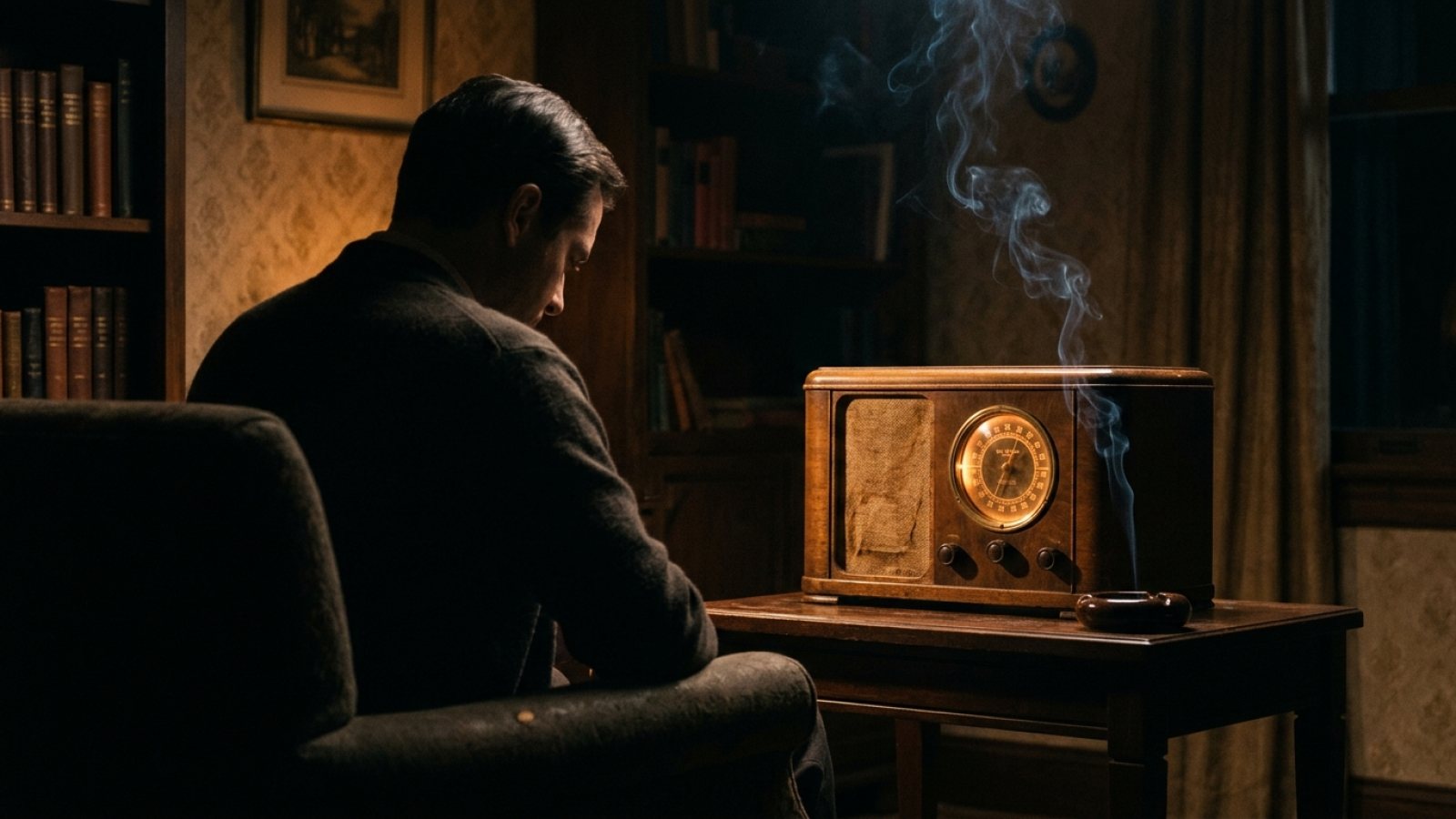
In the bustling soundscape of 1930s radio, where every second cost money and rapid-fire patter was king, one comedian dared to embrace silence. Jack Benny didn’t just use the pause; he weaponized it. He transformed a void of sound into a pregnant moment of expectation, allowing audiences to fill in his unspoken thoughts, and delivering a payoff that was often far funnier than any dialogue could have been.
Before Benny, radio comedy, much like its vaudeville forebears, often relied on a relentless cascade of jokes, catchphrases, and musical interludes designed to keep listeners constantly engaged. The medium was new, and many producers feared dead air, equating it with dullness. Vaudeville had taught performers to keep the energy high, to move from one bit to the next with seamless momentum. Benny, a veteran of that same vaudeville circuit, understood timing implicitly, but he also understood something deeper: the power of restraint, and the audience's capacity for shared understanding.
The Unspoken Punchline
Benny first landed on radio in the early 1930s, eventually finding his stride with The Jack Benny Program, which would become a staple on NBC and later CBS for decades. He quickly developed a persona: the vain, slightly cheap, perpetually 39-year-old violin player who believed he was a master of all trades. This character wasn't just a set of attributes; it was a deep wellspring of humor that the audience came to know intimately. And it was this intimacy that made his pauses so potent.
Consider one of his most famous moments: a stick-up sketch. A mugger demands, "Your money or your life!" After a beat, then another, the mugger exasperatedly repeats, "I said, your money or your life!" Finally, Benny's voice would come in, annoyed, "I'm thinking it over!" The genius wasn't in the line, but in the agonizing, silent beat before it. The audience, knowing Benny's cheap character, could practically hear the gears turning in his head, weighing the value of his life against a dollar. That shared moment of anticipation, where the audience was in on the joke even before it landed, created an unparalleled connection.
An Ensemble of Silence
Benny didn't operate in a vacuum. His ensemble cast – including his real-life wife Mary Livingstone, bandleader Phil Harris, announcer Don Wilson, tenor Dennis Day, and the incomparable Rochester (played by Eddie Anderson) – were crucial to the success of his timing. They understood the rhythm of the show, delivering their lines to set up Benny's reactions, often perfectly timed to punctuate his silent moments. When Rochester would deliver a sarcastic put-down, the pause that followed from Benny was understood by all as his character's indignant, silent fury.
This wasn't just a gimmick; it was a revolutionary approach to character-driven comedy. Benny wasn't relying on rapid-fire jokes, but on building a world and characters so familiar that their unspoken thoughts became part of the humor. He trusted his audience's intelligence and their familiarity with his persona, inviting them to participate in the comedic act. This gave the show a relaxed, conversational feel, a stark contrast to the often frantic pace of other radio programs of the era.
The Enduring Echo
What Jack Benny changed in radio was profound. He proved that silence could be louder than any punchline, that character consistency could generate more laughs than a thousand gags. He shifted the paradigm from purely performance-based comedy to a more subtle, character-centric approach, where the space between words was as vital as the words themselves. This mastery of timing, of making an audience lean in and anticipate, continues to influence comedians across every medium, from stand-up to sitcoms, demonstrating that sometimes, the funniest thing a performer can do is nothing at all.
